
Technology has become a key factor in how people age and their ability to remain independent. When solutions are designed WITH residents rather than for them, technology can meaningfully support healthy aging for low-income older adults in affordable housing.
This research, now outlined in “Residents First: Technology for Connection and Healthy Living in Affordable Senior Housing,” was commissioned by Volunteers of America (VOA) and made possible with support from the Humana Foundation. The Institute for Public Health Innovation (IPHI) carried out the research and authored this report. Insights from the Residents First research are already shaping VOA’s commitment to test new tech-enabled solutions with residents and staff at communities around the country.
“The success and sustainability of any technology in housing for older adults relies on a deep understanding of potential residents’ motivations, fears, habits, aspirations, and daily realities. Trust is the prerequisite for adoption, and without it, even well-intended tools fail to gain traction.“
The Residents First report is foundational to AgeTech investments VOA is now making through its Futures Fund, a social impact investing initiative that supports the development and expansion of high impact health, housing and social service models and enterprises.
For Media Inquiries:
Please contact David Burch, Senior Director, Communications
Volunteers of America (VOA) commissioned the Institute for Public Health Innovation (IPHI) to explore how technology can meaningfully support healthy aging for low-income older adults in affordable housing. The research is motivated by VOA’s genuine commitment to developing a best-in-class new affordable senior housing site in Southwest Washington, D.C. This study recognizes that technology has become a social determinant of aging and, therefore, a critical infrastructure element of aging well; however, its benefits are realized only when solutions are designed with residents rather than for them.
This core finding emerged early: The success and sustainability of any technology in housing for older adults relies on a deep understanding of potential residents’ motivations, fears, habits, aspirations, and daily realities. Trust is the prerequisite for adoption, and without it, even well-intended tools fail to gain traction.
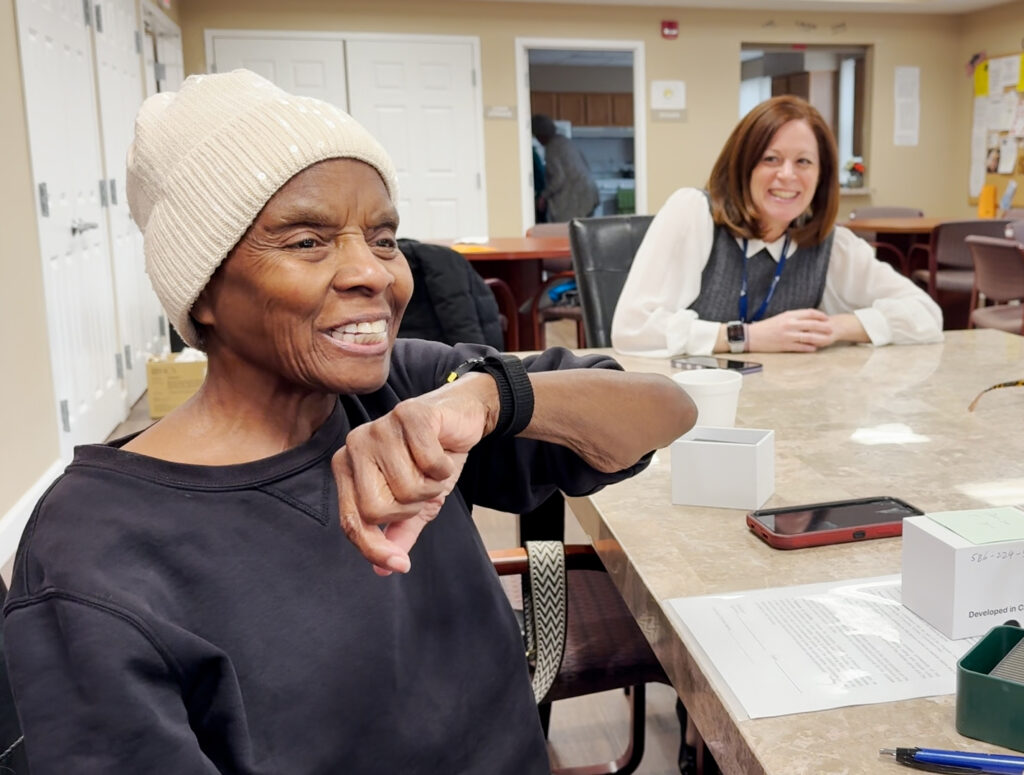
This research centered on the voices of older adults from the very beginning, using a co-production approach that elevated their lived experience as a primary form of expertise. PhotoVoice, focus groups, key informant interviews, a hands-on technology showcase designed to address uneven exposure to emerging tools, and continuous guidance from a resident-led steering committee ensured that insights were grounded in the real needs and preferences of the people who will live at VOA’s new housing community in D.C. Given VOA’s expansive affordable housing portfolio across the United States, these findings are also guiding the organization’s investments in AgeTech pilots in similar environments.
What Older Adults Value
Across engagement activities, five pillars emerged as essential to quality of life:
- Connection and engagement — tech solutions that strengthen relationships, reduce isolation, and broaden access to learning, worship, and community life
- Safety and security — simple, reliable features such as motion-sensor lighting, smart entry, fall detection, and kitchen safety devices
- Health and wellness — technologies that align with familiar routines, such as wearables, medication reminders, and movement or cognitive programs that feel supportive, not clinical
- Lifelong learning — accessible classes, virtual travel, and trusted digital literacy opportunities that spark curiosity and confidence
- Caregiver support — tools that ease communication, reduce caregiver stress, and provide peace of mind without compromising privacy
Challenges That Must Be Addressed
Even when older adults see value in technology, this study identified several obstacles that limit adoption:
- Digital literacy and confidence gaps — especially in navigating apps, telehealth, and security features
- Privacy and data use concerns, including discomfort with monitoring or sharing data
- Cost and connectivity barriers, such as unaffordable Wi-Fi and data plans or device replacement expenses
- Design limitations that fail to reflect age-related changes in vision, hearing, mobility, or cognition
These challenges underscore the need for technology that is trustworthy, affordable, accessible, and paired with reliable, personal support.
Key Recommendations
The report offers a replicable framework that embeds trust and resident voice throughout:
- Adopt a five-pillar framework to guide decisions across connection, safety, health, learning, and caregiver needs.
- Include baseline technology assets for all residents, treating it as essential housing infrastructure.
- Engage residents early and often through ongoing listening that captures evolving wants, needs, and capacities.
- Equip resident support staff with smart tools that make technology usable for residents.
- Design for accessibility and inclusion from the start, ensuring that all technologies account for diverse abilities and personal choice.
- Invest in the people and support systems that make technology work, including training, tech support, and trusted relationships.
A Call to Action
This research makes a compelling case: Technology succeeds only when it is rooted in trust and shaped by the people it is meant to support. Listening first — before designing, choosing, or implementing tech-enabled solutions — creates solutions that are not only effective but sustainable.
- Housing funders, developers, and operators should treat resident input not as a checkbox activity but as the foundation of design.
- AgeTech entrepreneurs should test and refine innovations in diverse housing environments with real users.
- AgeTech and health funders should invest in the long-term, people-centered support that builds adoption and confidence.
